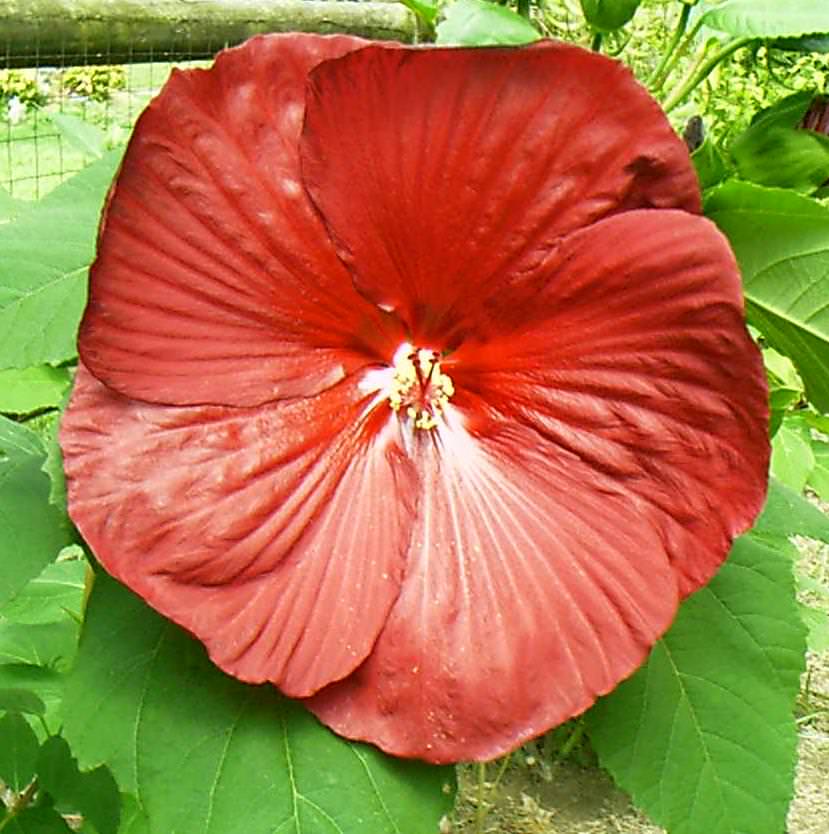
My Hibiscus is performing quite well,
even in the extreme drought we've experienced.
Specific types include Hibiscus rosa sinensis
(I call it Hawaiian Punch - it fits, doesn't it?),
Jane Cowel, Sanibel Yellow, and Painted Lady.

The more native species are doing better right now...between the sandy "soil", drought, and HOT temperatures, blooms are really being tested right now!!! Blooms include Passion Vine Lady Margaret (host to the Fritillary butterfly larvae), the native Black and Blue Salvia (another butterfly stop), pretty Rain Lilies, Crossandra Orange Marmalade, Night Blooming Cereus Cactus bloom (I presume...it's a little white, fuzzy puff. I've never seen it before), Native Firebush / Shrimp Plant / Dwarf Powder Puff (all are attractive to butterflies and hummingbirds).

Wild flowers are some of the best bloomers
in my yard right now.
My favorites are the top left, Match Head,
a common yard "weed" that I actually leave for the Peacock Butterflies.
My yard looks a bit silly with these patches unmowed!
Another new find is the Salt Marsh Morning Glory
(top right photo and left middle row)
growing wild along my pond.
It's a pretty, cheerful bloom with thin arrow-like leaves.
Finally, the native American Beauty Berry
is blooming in order to form
it's striking purple berries (bottom row, 3rd photo).

Caladiums seem to enjoy the hot nasty Florida afternoons.
They are very low maintenance in my garden,
resting underneath a mature stand of Saw Palmetto palms.

More blooms that seem oblivious to the intense drought conditions and severe heat index. This group includes one of my ultimate favorite blooms - the Crinum Queen Emma bouquet (top left photo). Not only is the bloom cluster a show stopper in both size and color, but also offers an incredibly intoxicating fragrance that is pure heaven to me! Other blooms include Leucodendrum (stick like succulent), Angelonia, Ruellia (also known as Purple Showers), native Plumbago (host to the Cassius Blue Butterfly), Mexican Heather, Walking Iris and Tropical Milkweed (host to the Monarch Butterfly larvae).

This collage shows numerous other wild flowers
found in my yard and around my pond.
All are butterfly magnets!

I can't leave out the fantastic wildlife that visit and reside in my yard, providing constant peace and pleasure! The birds are regular fixtures, as is the turtle sunning himself on the log laying in our pond. When we excavated the other debris, we purposely left this log for the numerous turtles that use it daily. I was fortunate to find the Swallowtail on a log in the firepit, soaking up the warmth of the sun while it expanded and dried it's newly unfolded wings. I left it on a Penta where it might take its first sip of nectar. I have to add that the Lubber did not last long once I showed the chickens his location on one of my crinum lilies (a favorite on the Lubber's menu). Finally, the little green-eyed fly on the wild flower was a find only after I loaded the wild flower photo onto my computer...I zoomed in on the bloom and noticed the tiny fly with near-neon green eyes! Cool!!!!
I'm hoping for more blooms as Florida enters its rainy season, although I 've thoroughly enjoyed the multitude of wild flowers taking center stage during this dry period. Remember to stop by May Dreams Gardens to see other gardens in bloom and to say "Hi" to Carol.
Happy GBBD!!!